

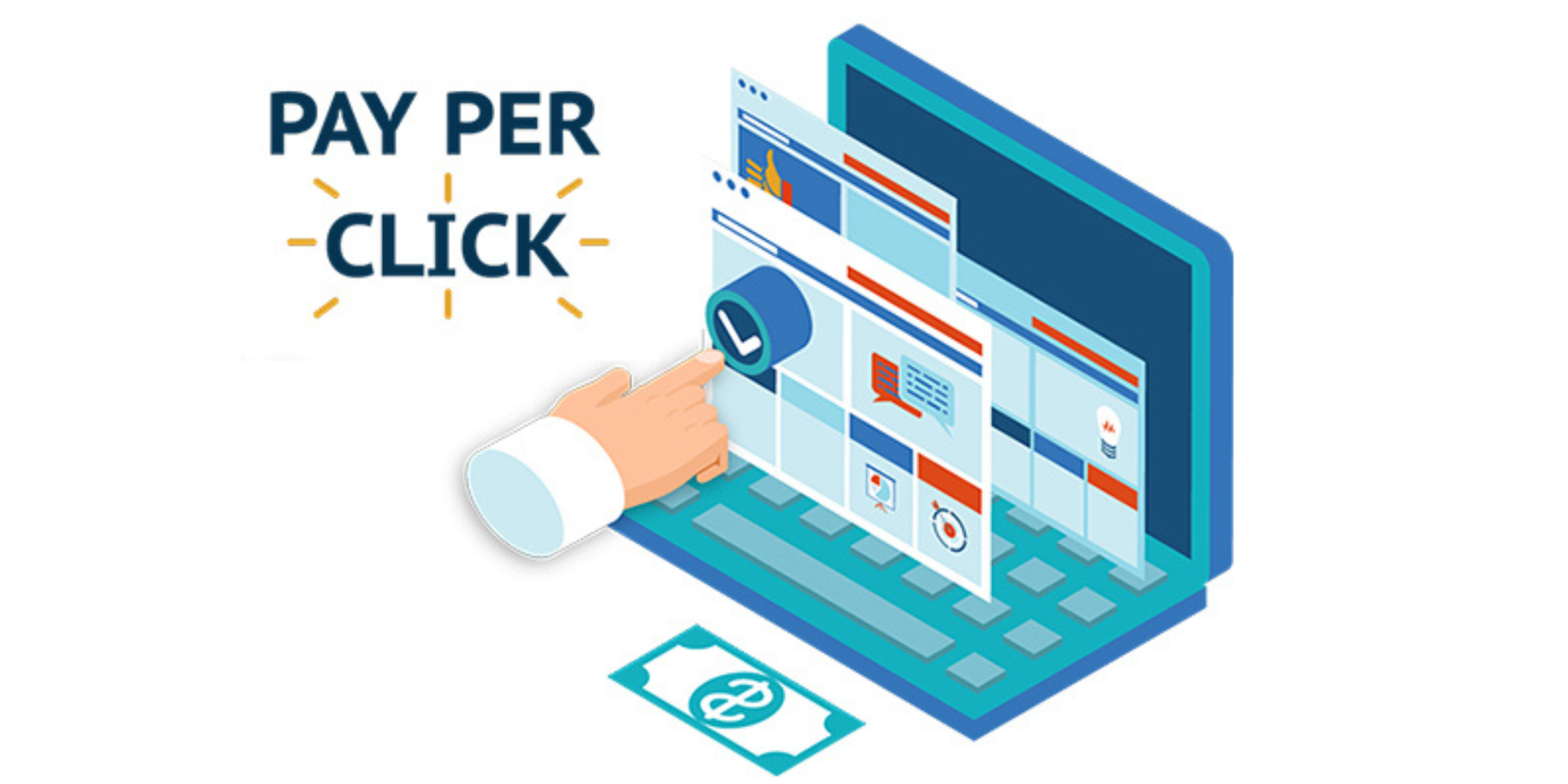
Pay-Per-Click Advertising (PPC)

Service Overview

At JSS Media, we offer result-driven PPC advertising services to help your business reach the right audience at the right time. Our goal is to generate maximum returns by running highly targeted and optimized ad campaigns.

We manage advertising campaigns across platforms like Google Ads, Facebook Ads, and other digital channels. From keyword research and audience targeting to ad creation and bid management, we handle every aspect of your campaign with precision.

Our team continuously monitors performance, analyzes data, and optimizes campaigns to improve click-through rates, reduce costs, and increase conversions. We focus on delivering real, measurable results that help your business grow faster.


Whether you want to boost website traffic, generate leads, or increase sales, our PPC services are tailored to meet your specific business goals.

Our Pay-Per-Click Advertising (PPC) Services

At JSS Media, we offer performance-driven PPC services to help your business reach the right audience at the right time. Our goal is to generate maximum returns by running highly targeted and optimized ad campaigns.

We manage PPC campaigns across platforms like Google Ads, Bing Ads, and social media channels. From keyword research and competitor analysis to ad creation and bid management, we handle every aspect of your campaigns with precision.

Our team focuses on creating compelling ad copies, selecting the right keywords, and continuously optimizing campaigns to improve click-through rates and conversions. We closely monitor performance and make data-driven decisions to ensure your budget is used effectively.


Whether you want to increase website traffic, generate leads, or boost sales, our PPC services are designed to deliver fast, reliable, and measurable results.

Frequently Asked Questions

  • What is Digital Marketing, and why is it important for businesses?

    Digital Marketing is an online strategy that uses digital channels to promote and advertise products or services. It's crucial for businesses because it allows them to reach a wide audience, increase brand visibility, and engage with customers in the digital landscape where they spend a significant amount of time.

  • What are the key components of a Digital Marketing strategy?

    A comprehensive Digital Marketing strategy includes elements such as Search Engine Optimization (SEO), Content Marketing, Social Media Marketing, Email Marketing, Pay-Per-Click (PPC) Advertising, Analytics, and more. Each component serves a specific purpose in reaching and engaging the target audience.

  • How does SEO contribute to Digital Marketing success?

    SEO is essential for Digital Marketing success as it improves a website's visibility on search engine results pages. By optimizing content and structure, businesses can rank higher for relevant search queries, driving organic traffic and increasing the likelihood of conversions.

  • What role does social media play in Digital Marketing?

    Social Media Marketing is a key component of Digital Marketing, enabling businesses to build brand awareness, engage with their audience, and drive website traffic. Social platforms provide opportunities for both organic (non-paid) and paid advertising efforts.

  • Is Email Marketing still relevant in the era of social media?

    Yes, Email Marketing remains relevant and effective. It allows businesses to directly reach their audience, deliver targeted messages, and nurture customer relationships. With personalized and engaging content, Email Marketing can drive conversions and customer loyalty.

  • What is the significance of data analysis in Digital Marketing?

    Data analysis is crucial in Digital Marketing as it provides insights into the performance of campaigns. By analyzing data, businesses can understand customer behavior, identify trends, and make data-driven decisions to optimize their strategies for better results.

  • How does Digital Marketing cater to mobile users?

    Digital Marketing strategies are designed to be mobile-friendly, considering the increasing number of users accessing the internet via mobile devices. Responsive web design, mobile-optimized content, and mobile advertising ensure a seamless experience for users on smartphones and tablets.